Subject file
Science News
Science News covers announcements as they are made: trial readouts, drug and device approvals, major retractions, mission milestones and government funding decisions. Each item states who announced it and what evidence accompanied it. Read by researchers, clinicians and journalists needing the day's developments with provenance intact.
Science News covers announcements as they are made: trial readouts, drug and device approvals, major retractions, mission milestones and government funding decisions. Each item states who announced it and what evidence accompanied it. Read by researchers, clinicians and journalists needing the day's developments with provenance intact.
Science News
LISA, adopted by ESA in 2024 for launch around 2035, will listen to spacetime ripples from space with arms 2.5 million kilometers long; on Earth, the Einstein Telescope and Cosmic Explorer aim to follow LIGO.
By Priya Vaithilingam • June 3, 2026
Science News
An independent review put the joint NASA-ESA program's cost as high as eleven billion dollars; NASA spent 2024 dismantling and rebuilding the plan.
By Tobias Lange • May 6, 2026
Science News
Permanently shadowed craters near the Moon's south pole appear to hold water ice — a resource for science and, possibly, for future crews.
By Tobias Lange • April 9, 2026
Science News
Every few nights for ten years, Rubin's 3.2-gigapixel camera will re-image the entire southern sky — and flag whatever moved or brightened since the last look.
By Tobias Lange • March 13, 2026
Science News
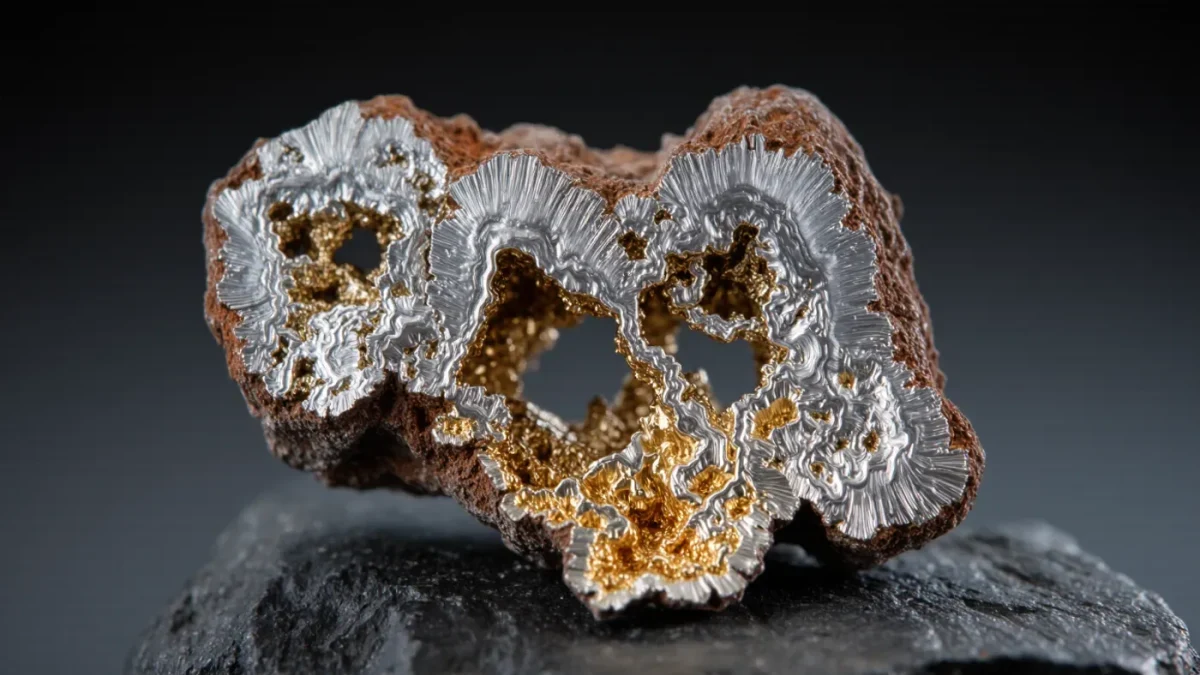
The Psyche mission, launched in October 2023, is headed for a 220-kilometer world that appears to be rich in iron and nickel — possibly the exposed core of a shattered protoplanet.
By Priya Vaithilingam • February 9, 2026
Science News
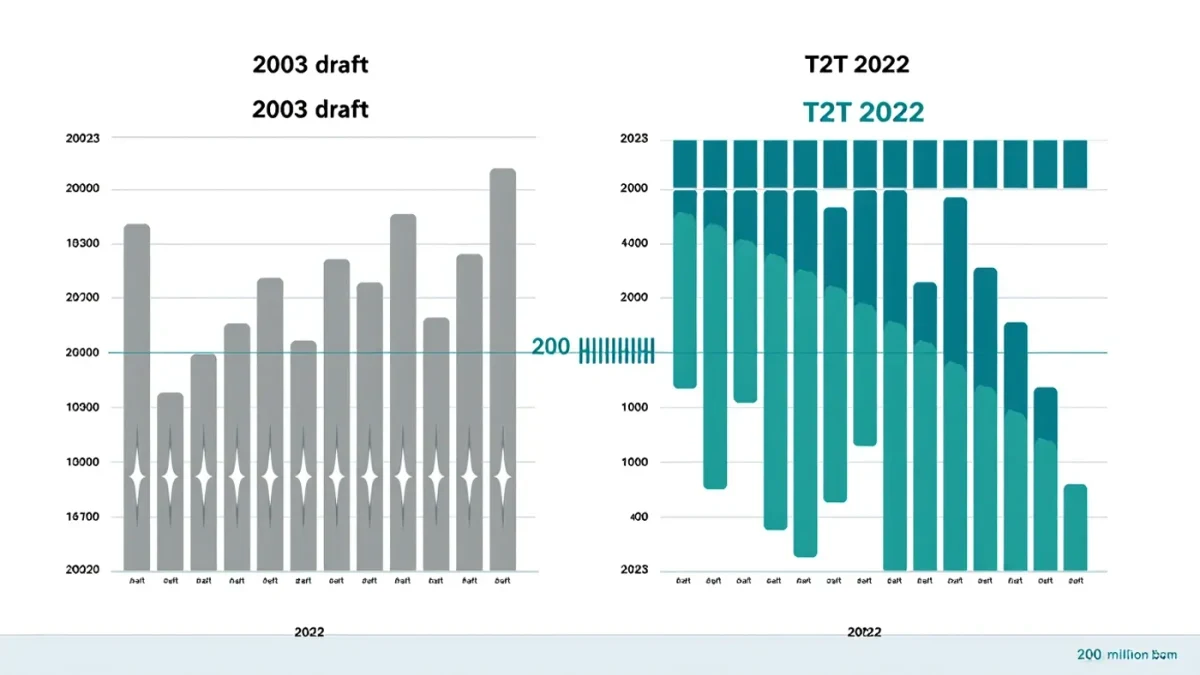
The 2022 T2T consortium sequence filled the last eight percent of the human genome — centromeres, satellite arrays, and other tracts the 2003 draft could not read.
By Samuel Achebe • January 13, 2026
Science News
Ariel will watch a thousand alien worlds cross their stars and read the light that filters through their atmospheres — a method called transit spectroscopy, and the first time it has been attempted at survey scale.
By Samuel Achebe • January 8, 2026