Subject file
Literacy
Literacy teaches the skills for evaluating evidence directly: distinguishing correlation from cause, reading confidence intervals, converting relative risk into absolute terms, spotting undeclared conflicts, and recognizing when a sample is too small. Examples come from real published papers. For anyone wanting to check a health claim independently.
Literacy
Two groups, one bold headline, and a hidden factor nobody mentioned. Learn how confounding and selection bias make studies compare apples to oranges, and how to spot it yourself.
By Bianca Torres • October 9, 2026
Literacy
A p-value is the probability of data at least as extreme as the observed data if the null hypothesis were true — not the probability that the hypothesis is true, and not the size of the effect.
By Tobias Lange • August 28, 2026
Literacy
Peer review is a check by outside experts on a study's methods and reasoning before publication — a filter that improves papers but cannot verify data, replicate results, or catch deliberate fraud.
By Bianca Torres • August 24, 2026
Literacy
A 2025 analysis in PNAS finds reviewers often disagree with each other — and shows which specific fixes actually help.
By Tobias Lange • August 16, 2026
Literacy
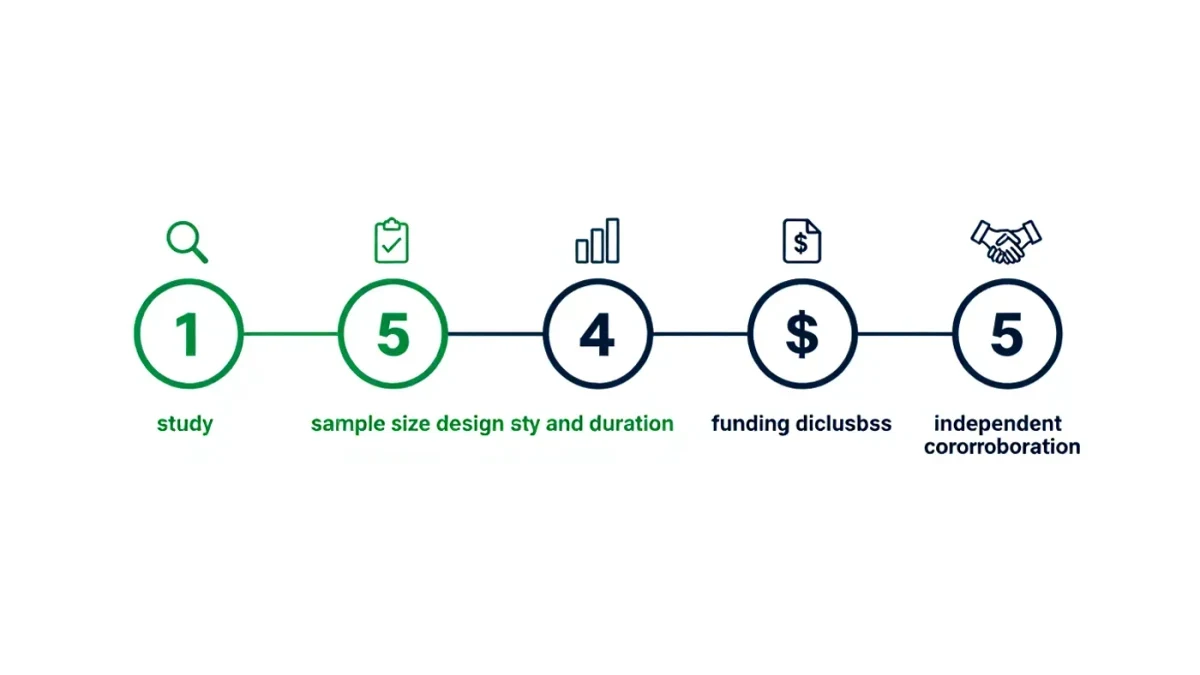
A five-step checklist — source, study, design, size, conflicts — separates checkable findings from marketing wearing science's clothes.
By Yasmin Haddad • August 9, 2026
Literacy
Writing down the plan before the data arrive — outcomes, sample size, analysis — forecloses the quiet ways results get shaped afterward.
By Tobias Lange • June 21, 2026
Literacy
Exaggeration often enters the pipeline before any journalist writes a word — in the university's own announcement.
By Bianca Torres • June 16, 2026
Literacy
Science is cumulative by design: single findings are provisional by default, and the checks that confirm or retire them take time.
By Bianca Torres • May 25, 2026
Literacy
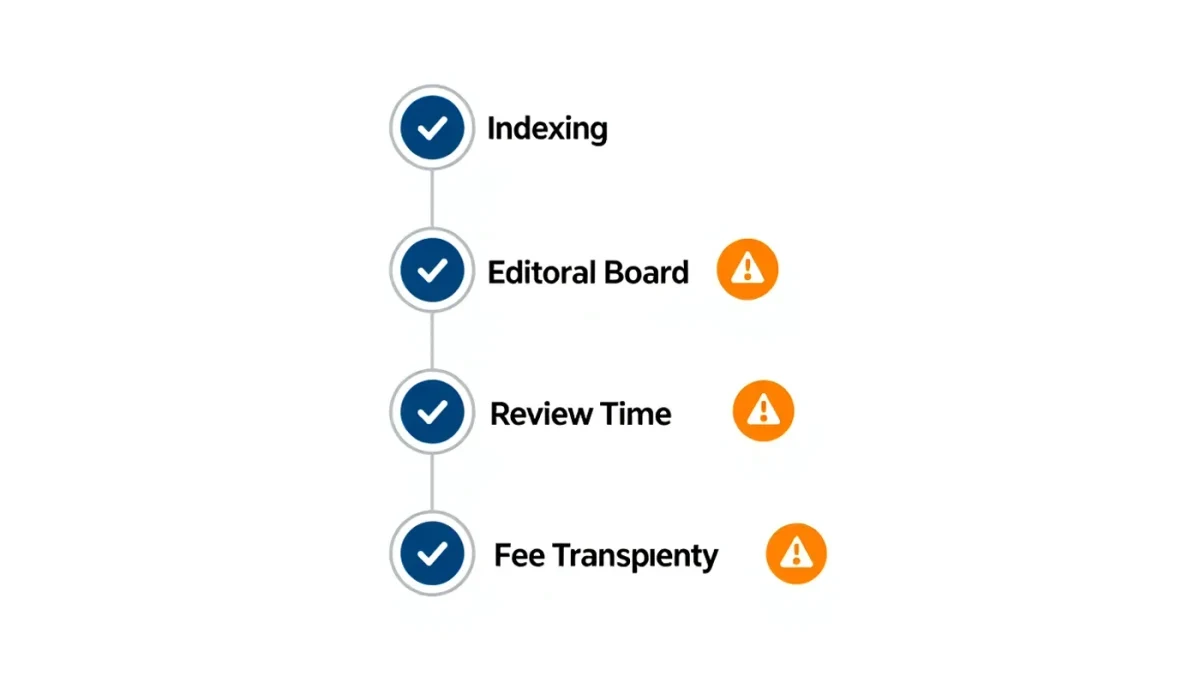
Fake peer review leaves fingerprints: promises of days-fast review, unlisted editors, and fees that surface only after acceptance.
By Tobias Lange • May 20, 2026
Literacy
The range around a study's headline number — not the number itself — shows how much the result could plausibly move.
By Bianca Torres • April 27, 2026