Science News
The replication crisis explained: when famous findings fail
Why landmark results sometimes collapse when other scientists repeat them, and what open science is doing about it.
By Tobias Lange • October 3, 2026
Science News covers announcements as they are made: trial readouts, drug and device approvals, major retractions, mission milestones and government funding decisions. Each item states who announced it and what evidence accompanied it. Read by researchers, clinicians and journalists needing the day's developments with provenance intact.
Why landmark results sometimes collapse when other scientists repeat them, and what open science is doing about it.
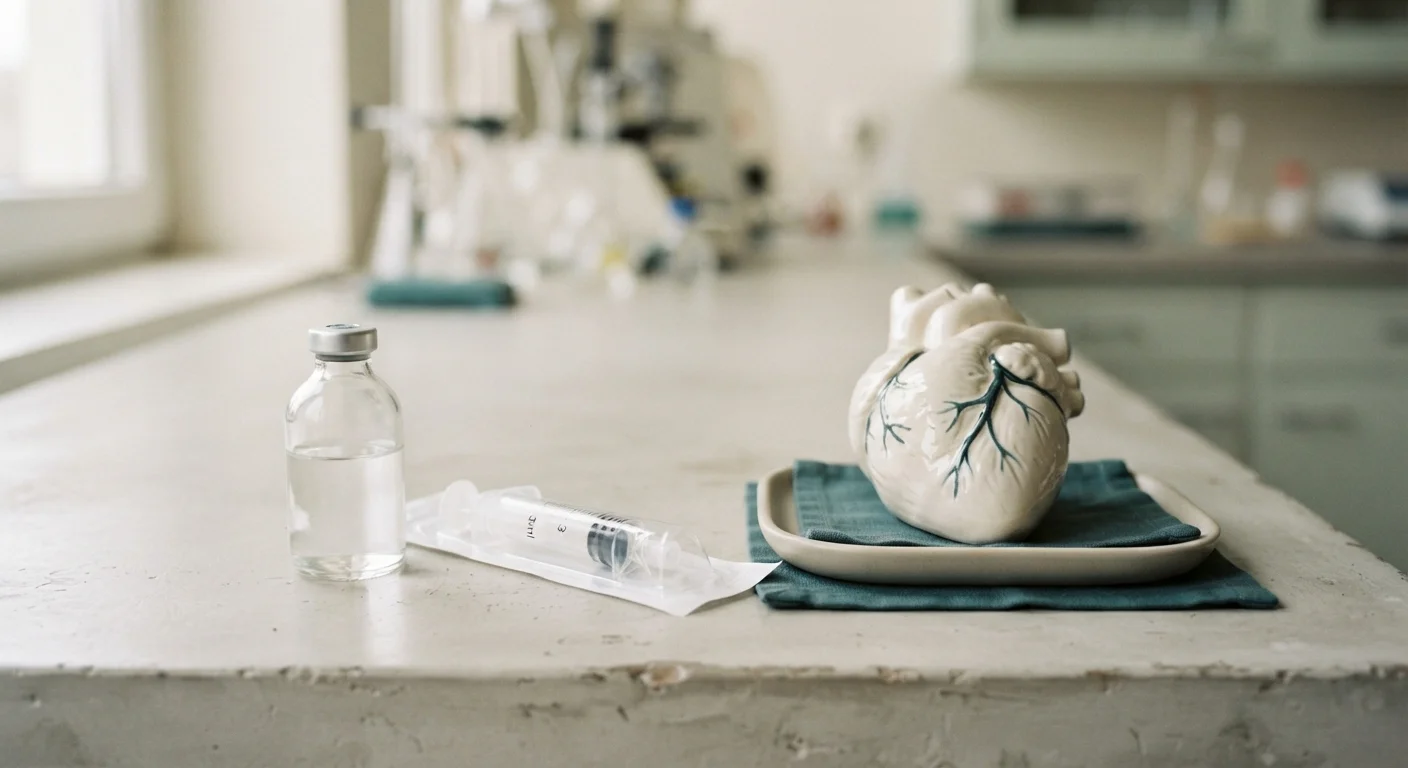
The SELECT trial, published in the New England Journal of Medicine in 2023, found semaglutide cut major cardiovascular events by a fifth in adults with existing heart disease and overweight — a benefit independent of diabetes.
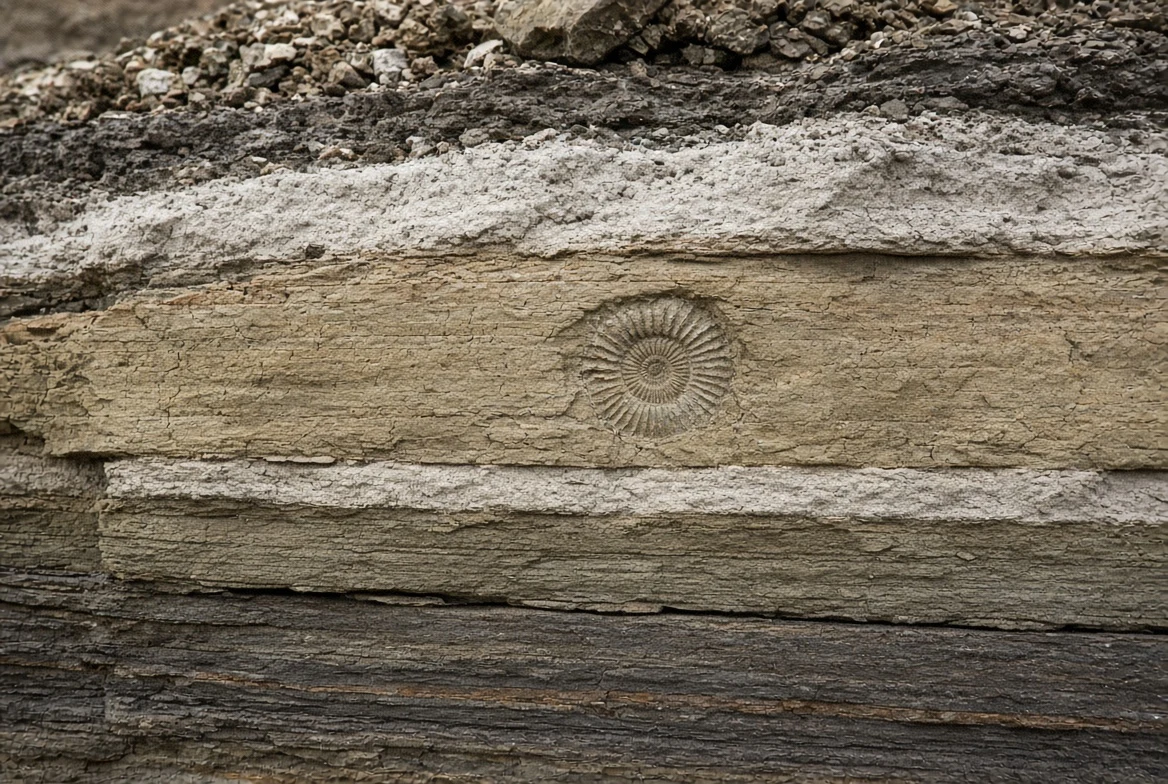
Fossils are almost never dated directly. Geologists date the rock around them instead, and the method depends entirely on what happens to be nearby.
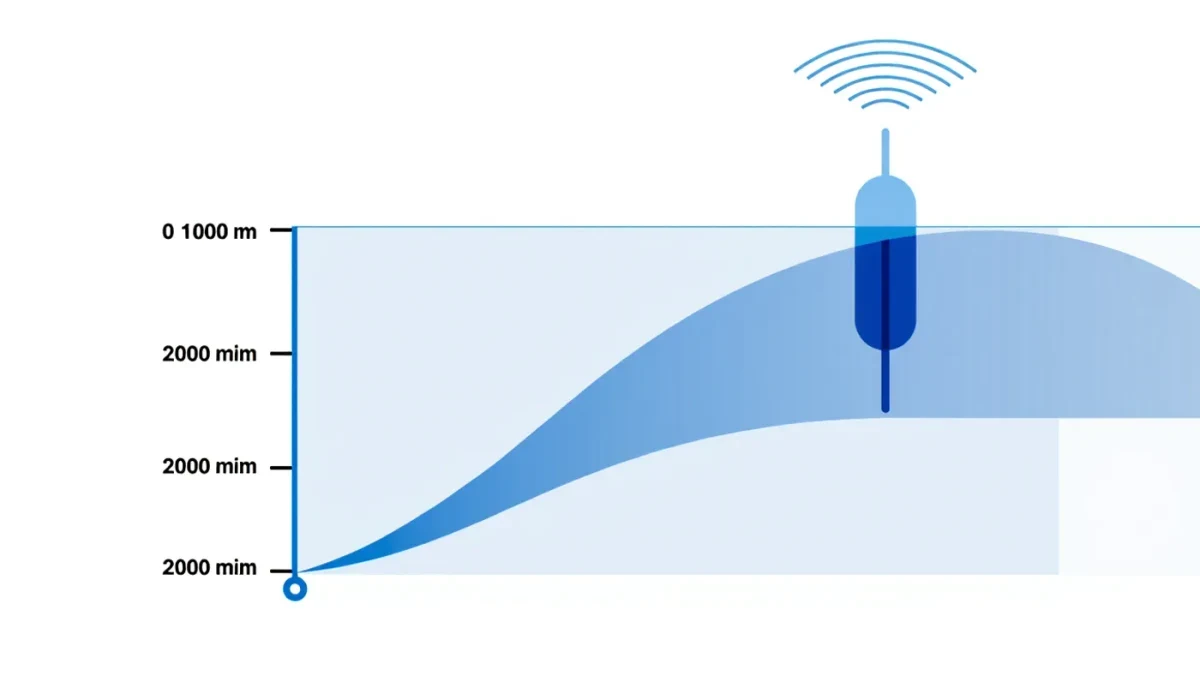
Roughly ninety percent of the excess energy trapped by greenhouse gases ends up in the sea — and a global fleet of autonomous floats, plus satellite altimetry, measures it.
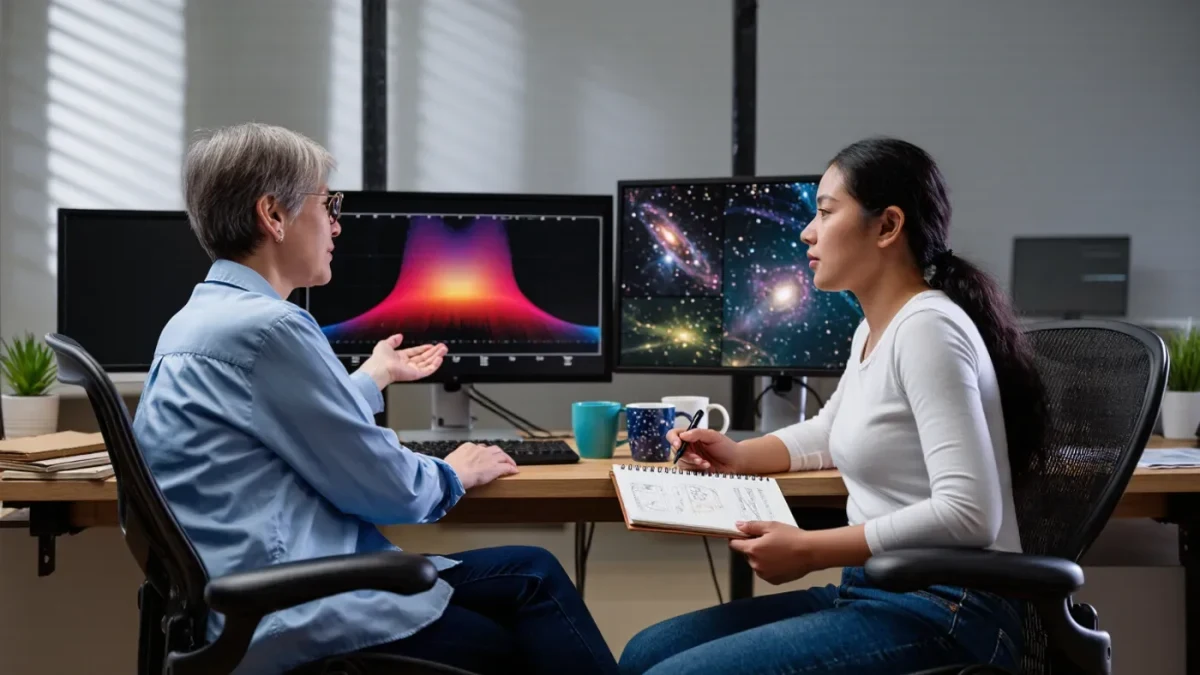
Since 2022, infrared surveys have turned up galaxies that appear surprisingly bright and mature within a few hundred million years of the Big Bang — and cosmologists are still arguing about why.
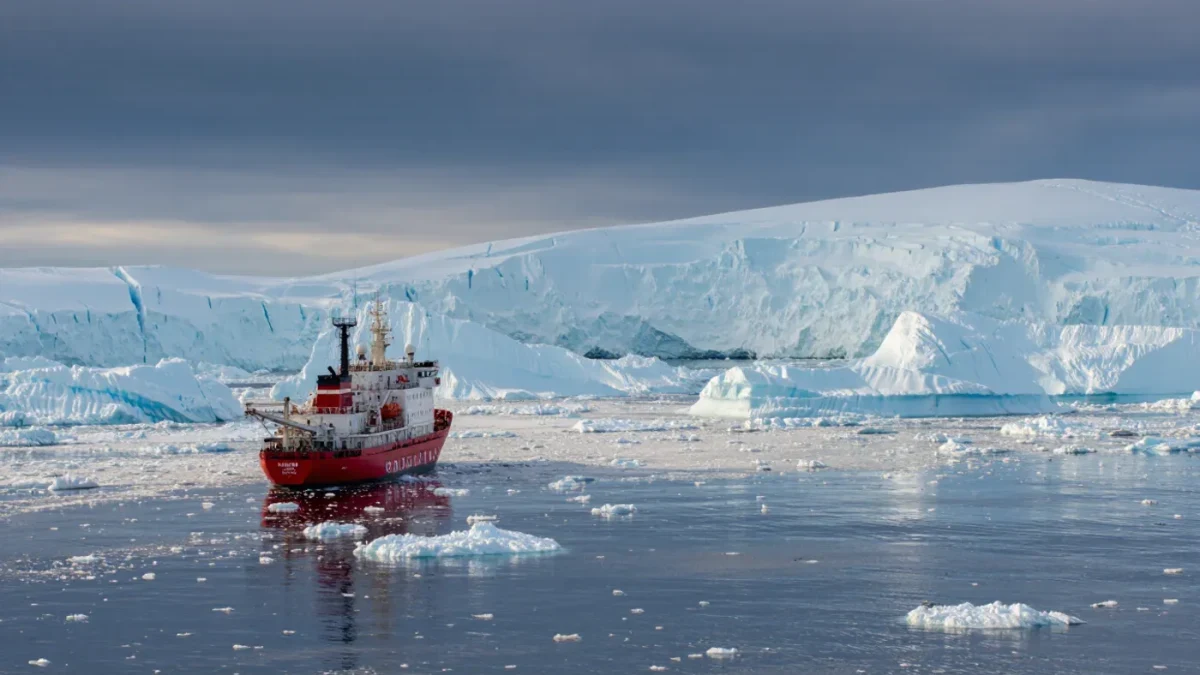
Laser altimetry from ICESat-2 and radar from Europe's Sentinel constellation track Antarctica's floating ice fronts from orbit — and their measurements define what 'collapsing' means.

LISA, adopted by ESA in 2024 for launch around 2035, will listen to spacetime ripples from space with arms 2.5 million kilometers long; on Earth, the Einstein Telescope and Cosmic Explorer aim to follow LIGO.
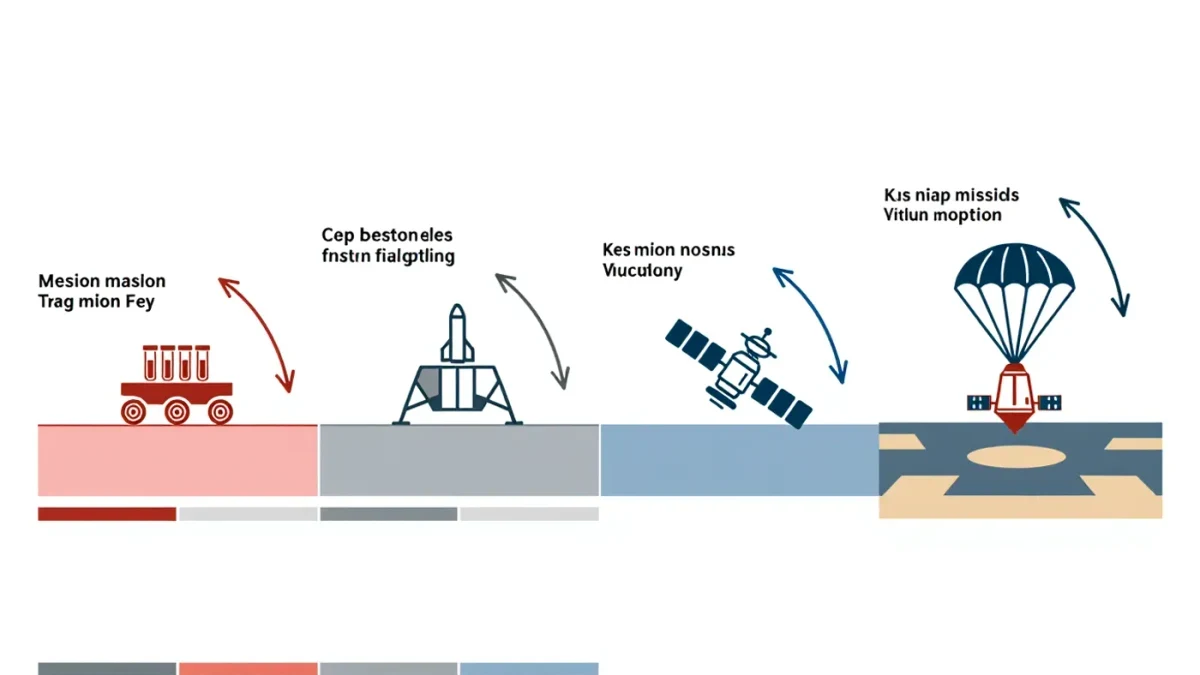
An independent review put the joint NASA-ESA program's cost as high as eleven billion dollars; NASA spent 2024 dismantling and rebuilding the plan.
Permanently shadowed craters near the Moon's south pole appear to hold water ice — a resource for science and, possibly, for future crews.