Subject file
Innovation: New Ideas and Research
Innovation follows laboratory work on its way to application: what stage a technology has reached, which problems remain unsolved, and how many years typically separate a demonstration from something purchasable. Hype cycles are named as such. For investors, researchers and readers tracking developments that are genuinely near-term.
Innovation follows laboratory work on its way to application: what stage a technology has reached, which problems remain unsolved, and how many years typically separate a demonstration from something purchasable. Hype cycles are named as such. For investors, researchers and readers tracking developments that are genuinely near-term.
Innovation
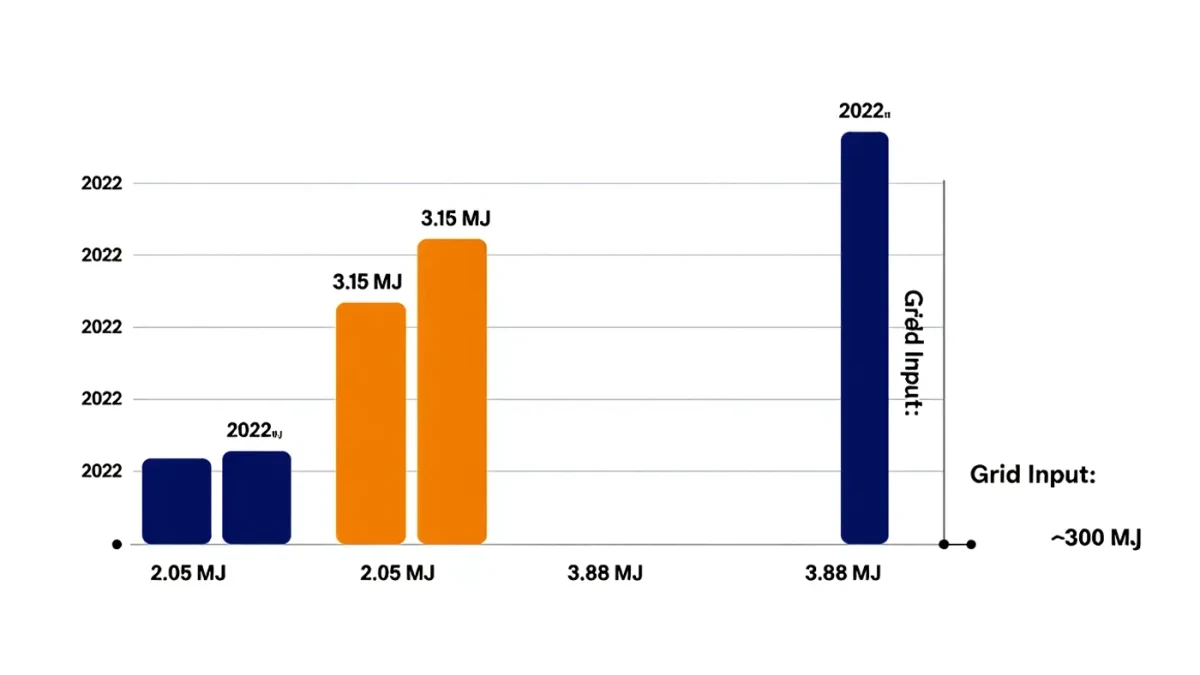
The National Ignition Facility proved ignition in 2022, and proved it again — but each shot fights a margin measured in millions of joules against imperfections measured in nanometers.
By Tobias Lange • May 16, 2026
Innovation
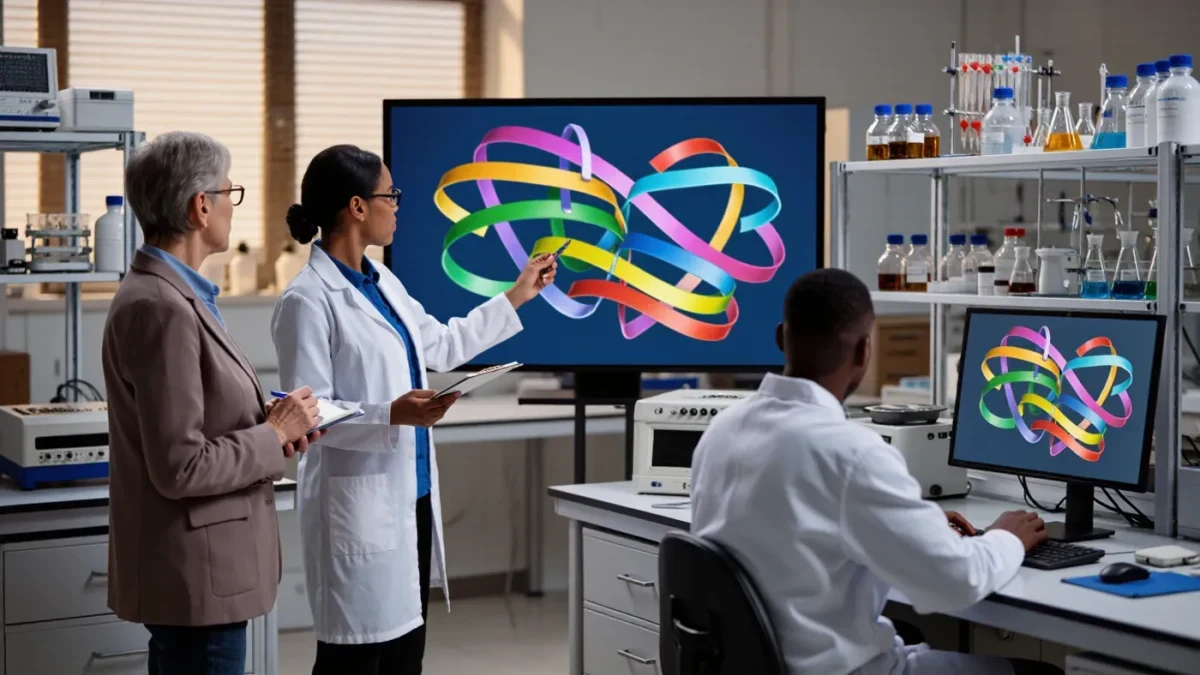
AlphaFold solved a fifty-year problem of predicting protein shapes from their sequences — and the harder questions it exposed are about dynamics, interactions, and what laboratories still must do.
By Bianca Torres • April 18, 2026
Innovation
Replacing a battery's liquid electrolyte with a solid promises safer, denser electric vehicles — but dendrites, interfaces, and manufacturing stand in the way.
By Bianca Torres • March 22, 2026
Innovation
Standard CRISPR cuts both strands of DNA and waits for the cell to repair the break; base and prime editing rewrite letters directly, with far fewer cuts — and different risks.
By Bianca Torres • February 23, 2026
Innovation
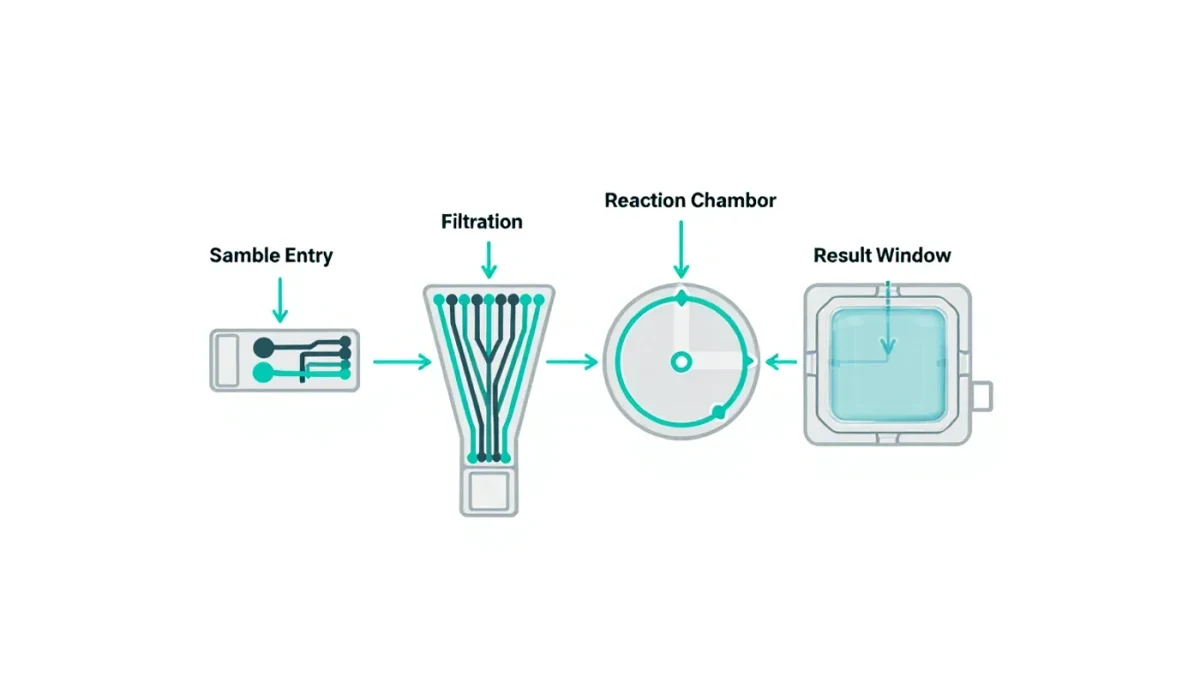
Microfluidic chips that shrink a wet laboratory onto a slip of plastic and glass have already changed infectious disease testing — and their hardest problems are now economic, not physical.
By Bianca Torres • January 31, 2026
Innovation
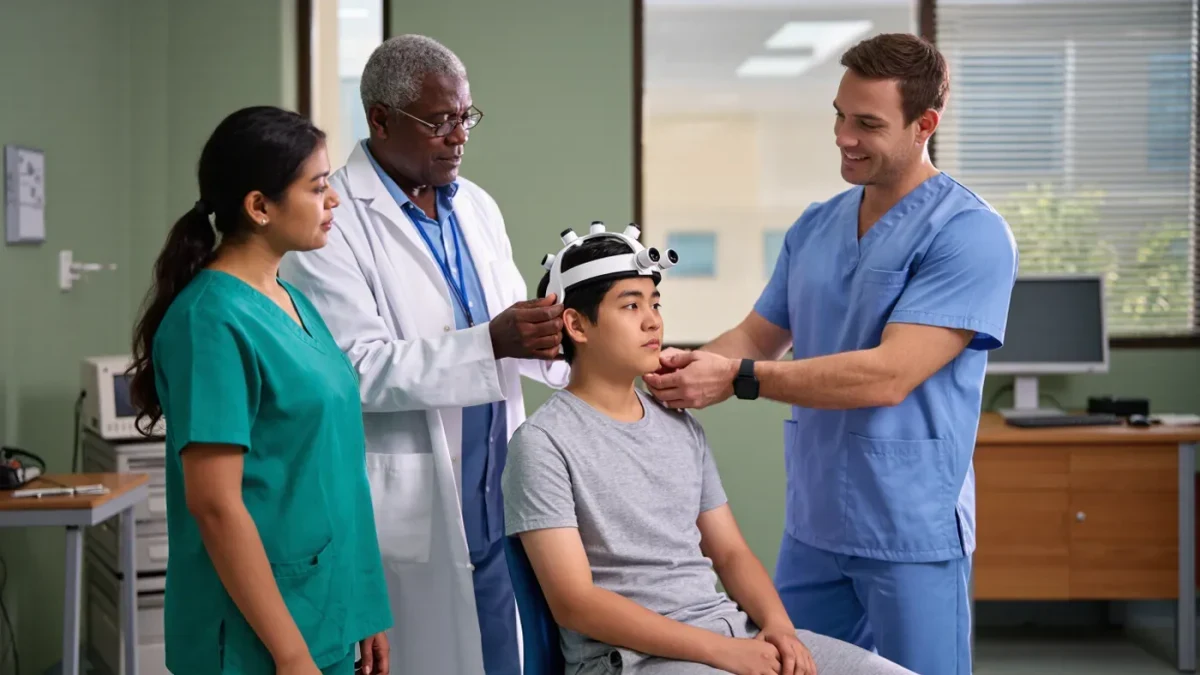
Machines that read the body's faint magnetic fields have moved from physics laboratories into early clinical studies, though regulatory approval remains limited.
By Bianca Torres • January 4, 2026