Topic
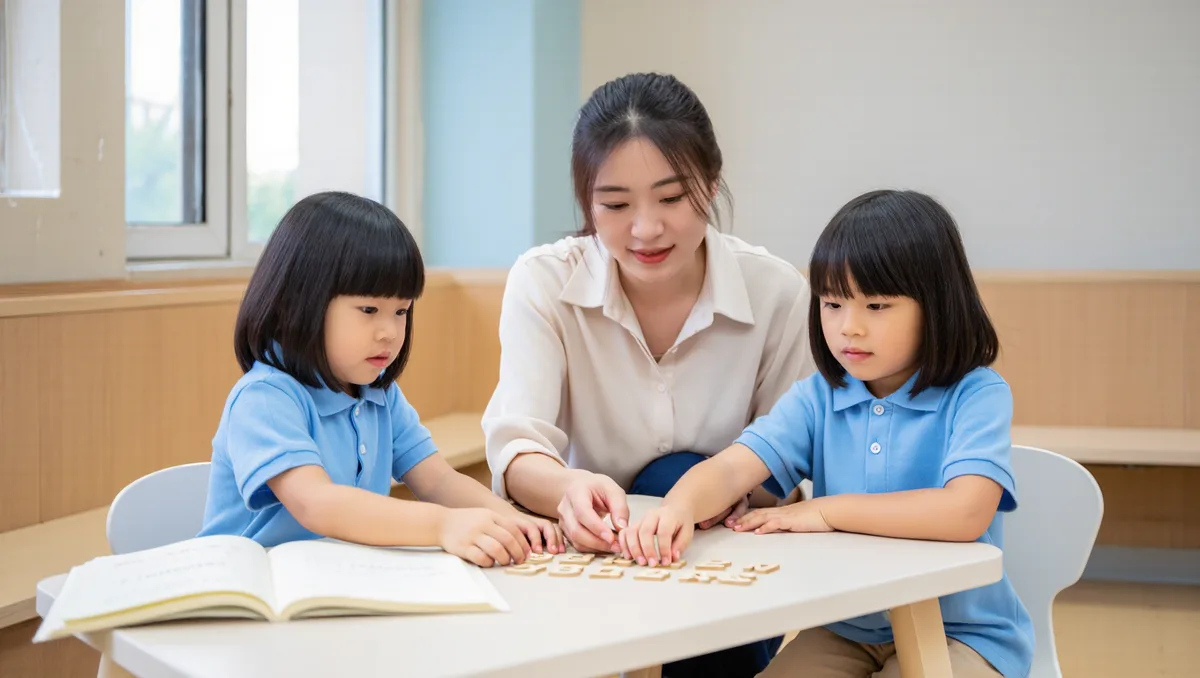
The science of reading: how brains crack the code
Decades of research point to one skill at the center of learning to read — and it explains why classrooms keep changing.
Decades of research point to one skill at the center of learning to read — and it explains why classrooms keep changing.
Youth science news is its own journalism. One newsroom has rewritten research for readers as young as nine since 2003, tuning vocabulary and adding teacher aids without weakening the reporting.
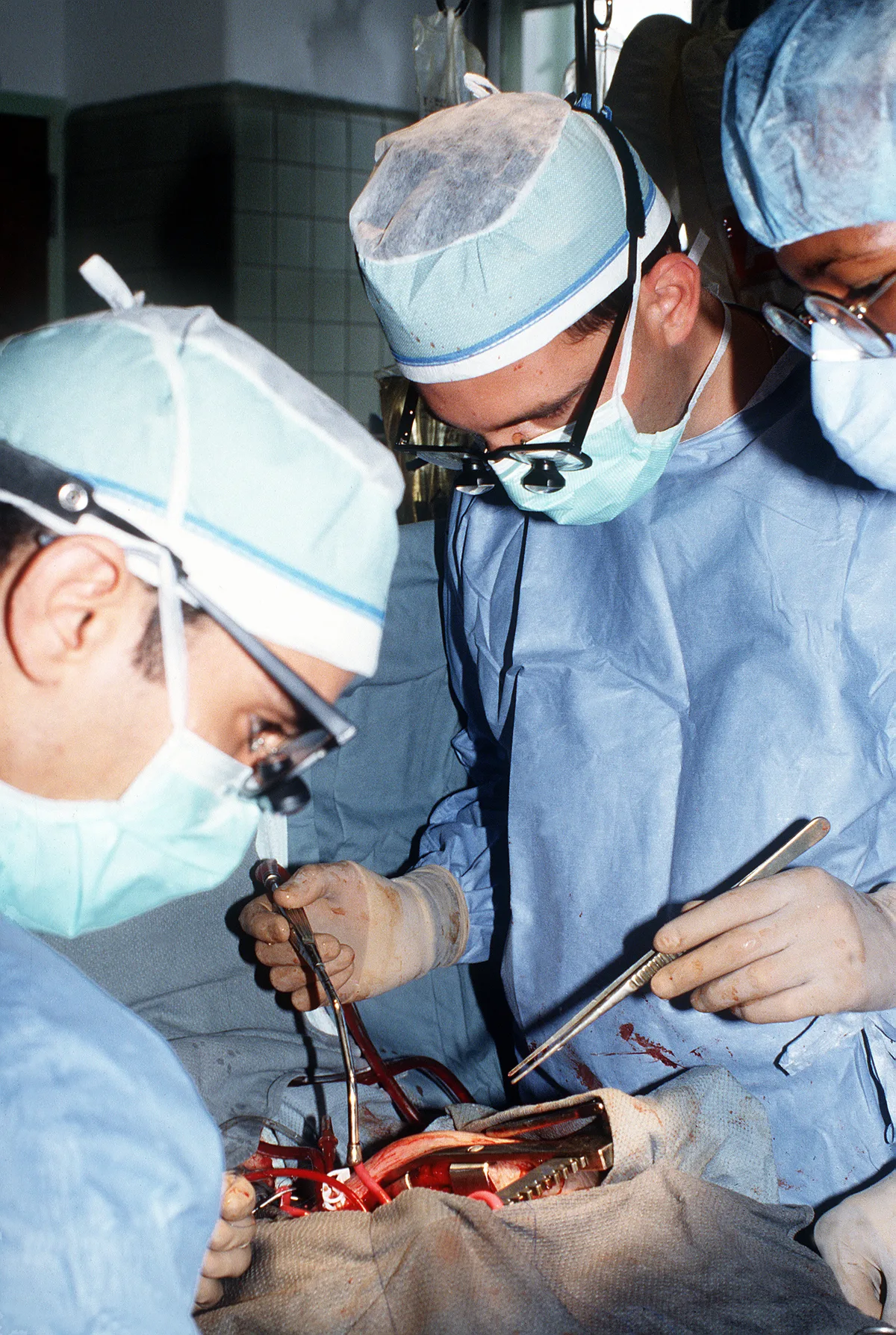
A Charlotte training center shows why device innovation fails in the operating room when nobody practices the whole setup.
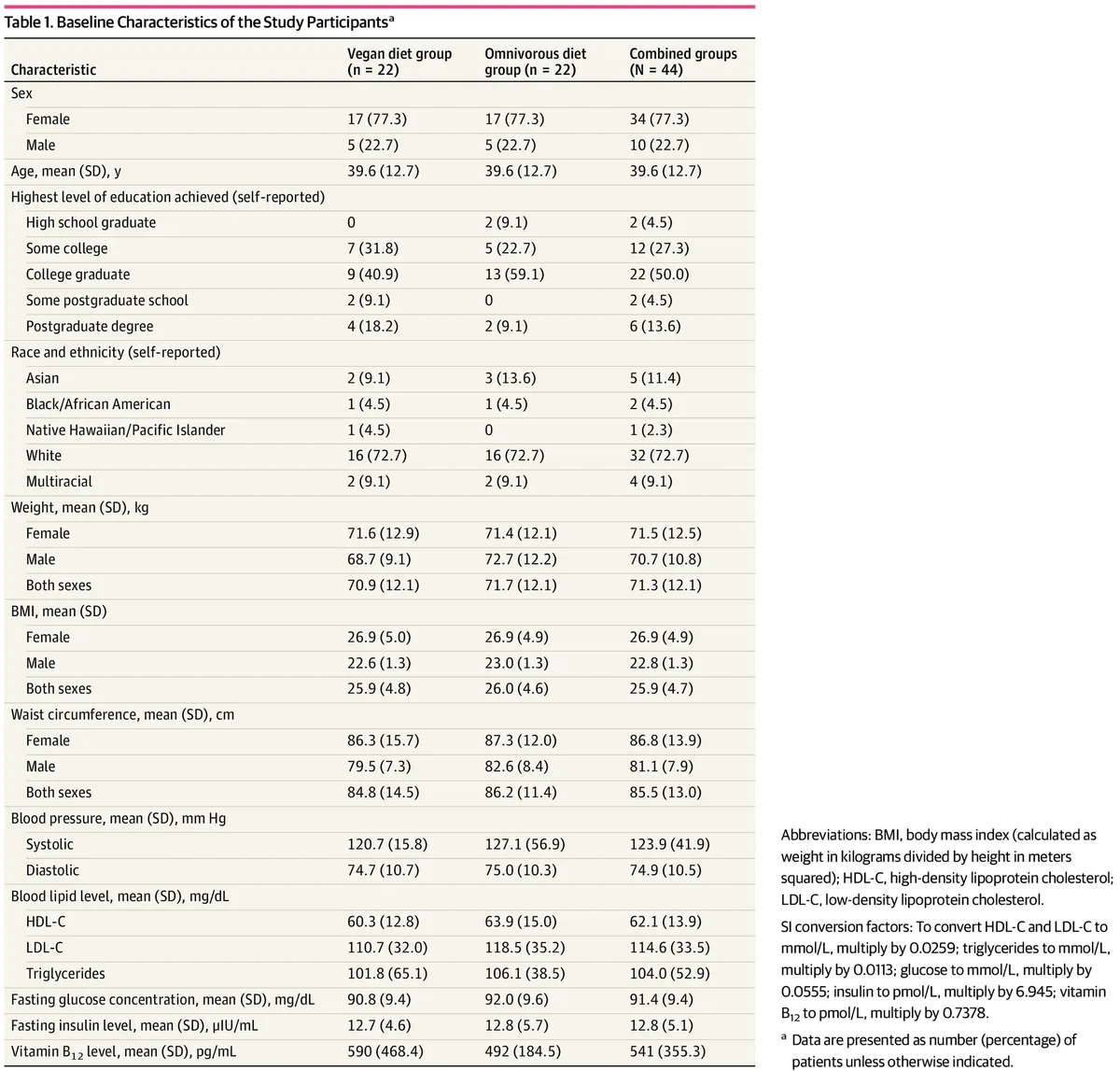
Two groups, one bold headline, and a hidden factor nobody mentioned. Learn how confounding and selection bias make studies compare apples to oranges, and how to spot it yourself.
A new thing is not an innovation until someone uses it and value moves. The definition is stricter than the marketing suggests.

Why landmark results sometimes collapse when other scientists repeat them, and what open science is doing about it.

Dual-language classrooms are often praised and often doubted. The honest picture is more measured than either camp suggests.

The word shows up in every school brochure. Here is what it actually means, and how to tell a real change from a renamed one.

An autonomous shotgun and a blood recirculation machine are both in development at the Air Force Research Laboratory. What the reporting supports — and what it does not.

Why some of the world's most useful devices come from tight budgets, and what the word 'frugal' actually carries into engineering.