Why do promising surgical devices stall once they reach a hospital? According to the American Hospital Association, hospital leaders need more than promising medical devices — they need to understand how those tools work together in the operating room, and how to prepare clinicians to use them. A surgical education center in Charlotte, North Carolina, has built its whole model around that gap.
The center, called IRCAD North America, opened in September 2025 as a wholly owned subsidiary of Charlotte-based Advocate Health. There, surgeons, medical technology companies and startups train, test devices, and swap ideas in one place. In its first year, IRCAD NA reports welcoming 7,986 health care professionals and hosting 249 events.
For anyone tracking how medical tools move from prototype to practice, the setup is a useful case study in innovation — the kind where the hard part is not inventing the device but making it fit the room it will be used in. Here is how the model works, and what it says about the slow, practical side of surgical technology.
What is IRCAD North America?
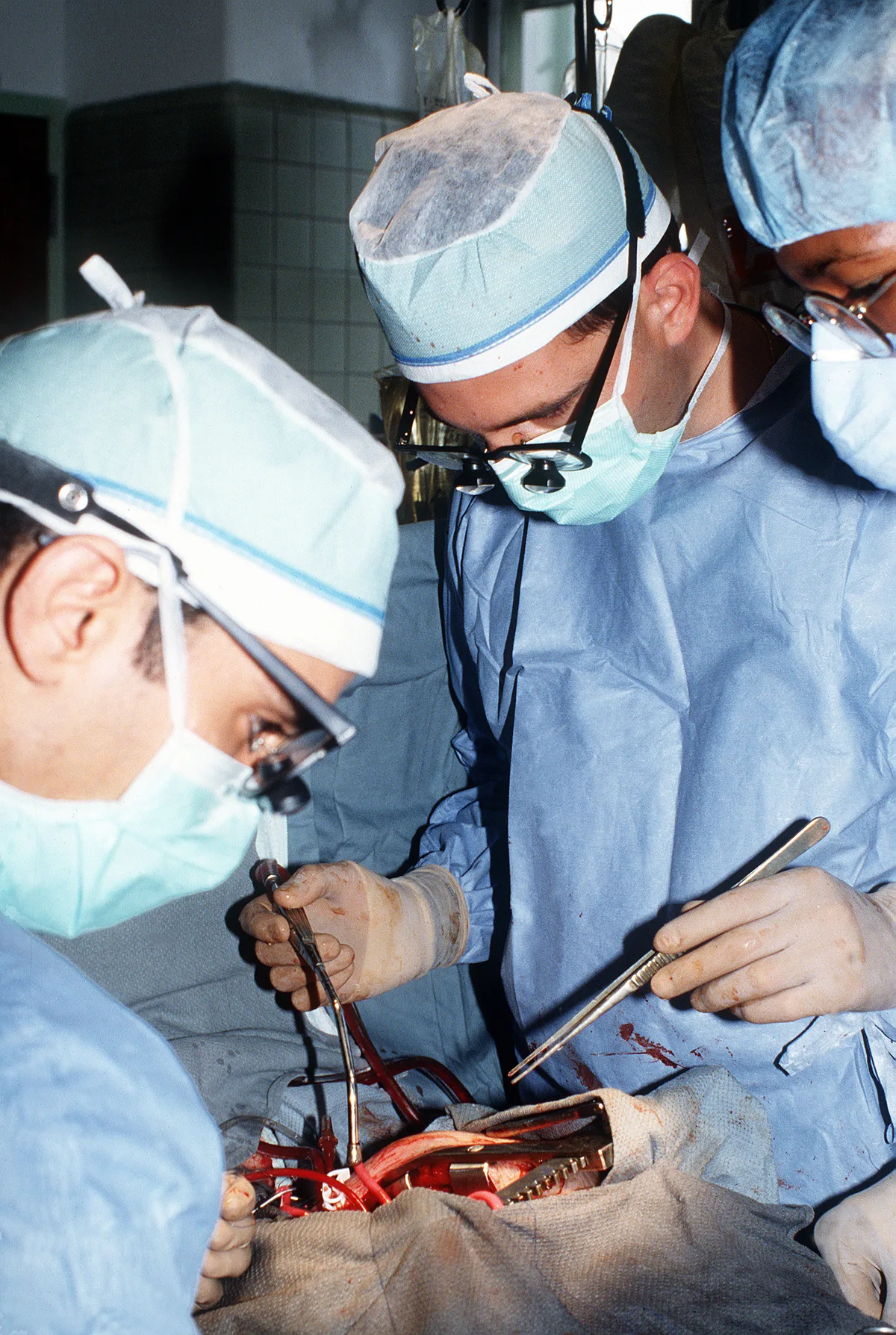
IRCAD NA is a surgical education center that combines hands-on training with device development and testing. It opened in September 2025 in Charlotte's The Pearl innovation district, which also houses the Charlotte campus of Wake Forest University School of Medicine. That placement puts surgical education, research and technology development near one another.
Its partners include some of the largest names in surgical equipment: Medtronic, Boston Scientific, Siemens Healthineers, Johnson & Johnson and Stryker. Dionisios Vrochides, M.D., Ph.D., the center's executive director and a professor of transplant surgery at Wake Forest University School of Medicine, described the arrangement in an email to the AHA's Market Scan. "Together with our partners, from medtech companies to professional societies to startups, we've created an ecosystem of innovation at IRCAD North America," he said, adding that the first year showed "a rate of growth that promises to change the future of surgical technology and education."
Why does device compatibility matter so much?
Hospitals do not buy all their equipment from one vendor. An operating room may hold cameras, energy devices and imaging systems from different manufacturers, and a team needs to know how those pieces behave side by side during an actual procedure.
That is the problem the center is built to surface. Because clinicians can train with technologies from multiple manufacturers, they can explore how devices work together before a hospital commits to a purchase. Chad Evans, a vice president at Stryker, told Modern Healthcare that participating vendors have used one another's technology for training when they are not in direct competition. "We don't all do everything; we are complementary to each other," Manny Niebla, senior vice president at Siemens Healthineers, told the publication.
For hospital leaders, the lesson is about evaluation, not shopping. A device should be judged by how it fits into the broader clinical environment, alongside the other tools a surgical team already uses.
How do startups fit in?
Startups are a deliberate part of the model, not an afterthought. A committee and relevant specialty groups evaluate companies for support, and IRCAD NA reports that it has supported 27 medtech startups. Its development resources include an incubator, an accelerator and support for scaling products.
The center also brings together surgeons from different specialties to observe and learn from one another. According to the AHA, these exchanges can spark ideas for new technologies and surgical methods, while connecting developers with clinicians who understand the demands of patient care. That last link is the one that most often breaks in medical device development: a product designed without the operating room in mind tends to fail there. Readers following this should also see A brain implant let one ALS patient talk for two years at home.
This pattern — clinicians shaping tools early, rather than reacting to finished products — shows up in other areas of medicine too, from how brain-computer interfaces are tested for safety to how quantum sensors slowly reach the clinic.
What happened in the first year?
The center's own reported numbers give a sense of scale. In its first year of operations, IRCAD NA says it welcomed 7,986 health care professionals for training and hosted 249 events. Those events included educational courses, research and development activities, and industry and professional society programs.
Two cautions belong next to those figures. First, they come from IRCAD NA itself, so they are the organization's account of its own activity rather than an independent audit. Second, activity counts measure use, not outcomes; the numbers say the model is busy, not yet that it improves surgical results. The AHA's piece frames the center as a model for hospital leaders to consider, not as proven better care.
What can hospital leaders take from this?
For hospitals exploring their own partnerships, the AHA distills the model into three priorities:
- Give clinicians a role in shaping development.
- Create opportunities to evaluate technologies together.
- Connect training with the tools teams will use in practice.
Each one addresses the same failure mode: technology bought in isolation, then dropped on a surgical team without preparation. The center's answer is to bring device development, surgical training and clinical experience into the same setting, so clinicians and manufacturers can see how tools behave together before the stakes are real.
For readers who want the wider frame, it helps to be precise about what "innovation" actually carries in business and science — the word means more than new gadgets — and to remember that constraint often shapes which inventions survive, as in frugal innovation. IRCAD NA's model is modest by comparison to a breakthrough: it is infrastructure for the unglamorous step where a device meets the people who will use it.
What remains unknown?
The evidence so far describes activity, not results. Whether training across vendors, cross-specialty observation and startup support translate into better surgical outcomes or smarter hospital purchasing is not established by the available reporting. What the first year does establish is that the model attracted heavy use — nearly 8,000 professionals — and that competing manufacturers were willing to share a training floor. Both facts suggest the industry sees the compatibility problem as real. Whether this particular answer works is the question the next few years will have to answer.