Topic
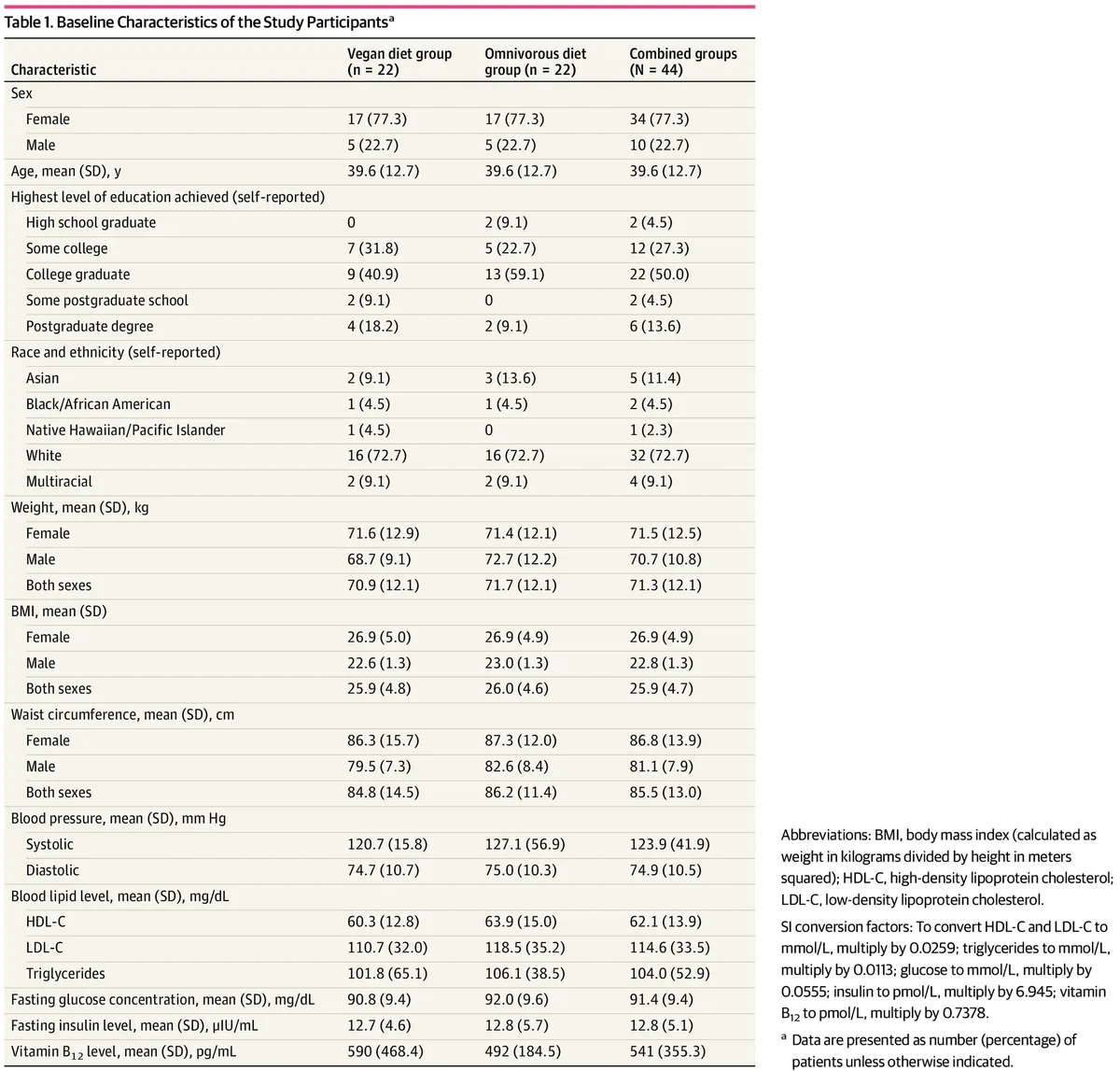
How to Spot When a Study Compares Apples to Oranges
Two groups, one bold headline, and a hidden factor nobody mentioned. Learn how confounding and selection bias make studies compare apples to oranges, and how to spot it yourself.
Two groups, one bold headline, and a hidden factor nobody mentioned. Learn how confounding and selection bias make studies compare apples to oranges, and how to spot it yourself.
A new thing is not an innovation until someone uses it and value moves. The definition is stricter than the marketing suggests.

Why landmark results sometimes collapse when other scientists repeat them, and what open science is doing about it.

Dual-language classrooms are often praised and often doubted. The honest picture is more measured than either camp suggests.

The word shows up in every school brochure. Here is what it actually means, and how to tell a real change from a renamed one.

An autonomous shotgun and a blood recirculation machine are both in development at the Air Force Research Laboratory. What the reporting supports — and what it does not.

Why some of the world's most useful devices come from tight budgets, and what the word 'frugal' actually carries into engineering.

The standardized testing debate is really a question about fairness: same exam for everyone, but is the same exam measuring the same things?

The 3rd France-Atlanta Science & Innovation Summit is small news with a readable signal: governments now court researchers the way brands court customers.

A nine-story lab building is a promise, not a result. Here is what the numbers in such announcements can and cannot tell you.