
Research
Why preprints are not peer reviewed yet
A preprint is a manuscript posted publicly before any journal has examined it, a deliberate shortcut with real speed and real hazards for readers.
By Samuel Achebe • May 29, 2026
Research examines the machinery behind published science: who funds a study, how peer review is conducted, which results get replicated, and why papers are withdrawn. Coverage includes publication bias and the career incentives shaping research questions. Written for scientists, students and readers assessing how much weight a paper deserves.
A preprint is a manuscript posted publicly before any journal has examined it, a deliberate shortcut with real speed and real hazards for readers.
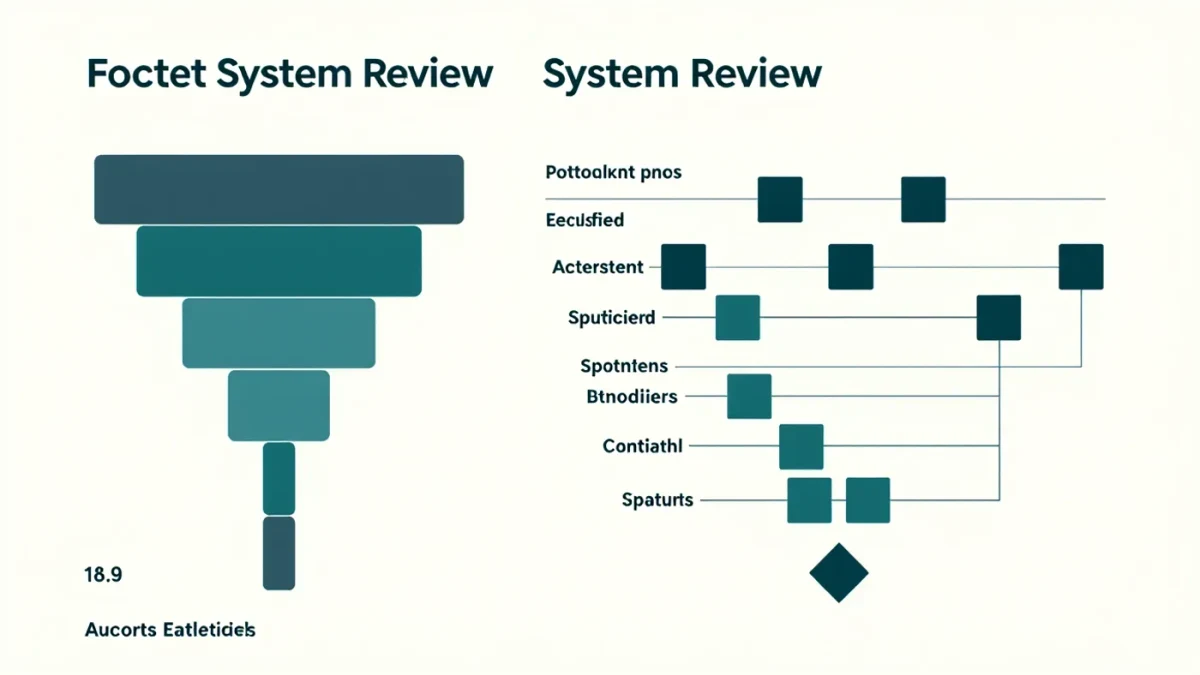
A meta-analysis pools the results of comparable studies into a single weighted estimate, and its findings are only as sound as the studies and the searching underneath it.

Reproducibility is checked by redoing the work under agreed conditions, and the checked results are humbler than the originals far more often than anyone expected.

Small studies are not modest versions of large ones; they measure effects badly, exaggerate them often, and miss them entirely more than anyone plans for.

Cohort studies follow people forward through real lives, which makes them unmatched for questions randomized trials cannot ask and unreliable for claims of cause.
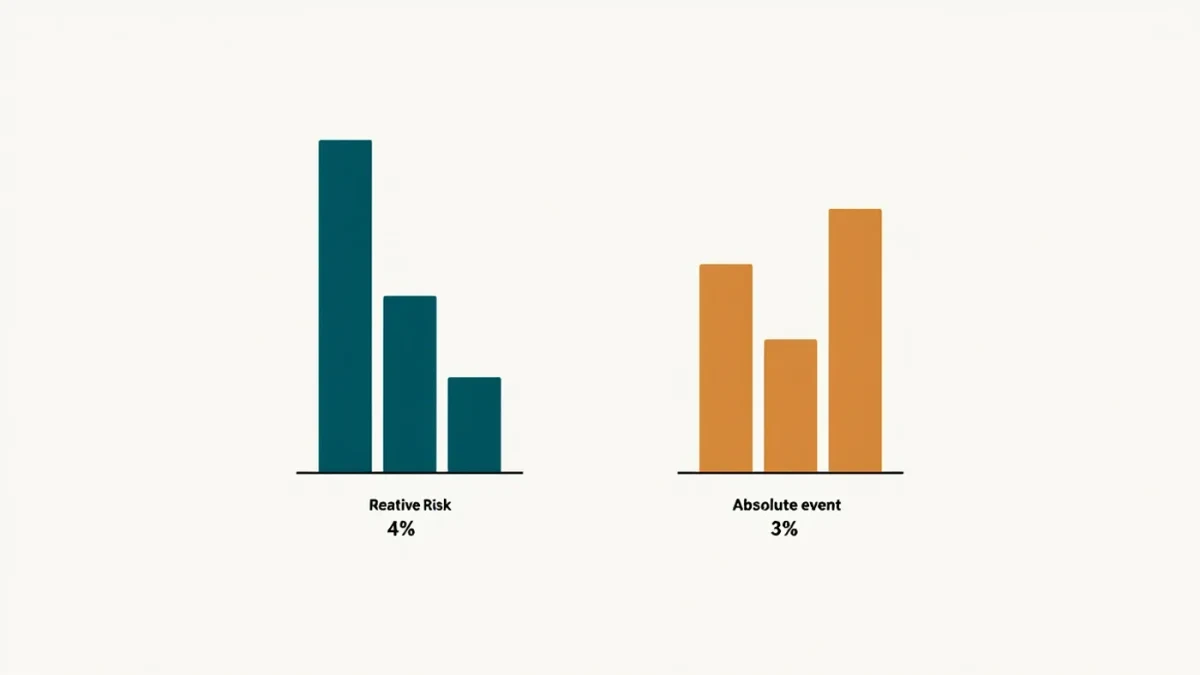
A statistically significant result says an effect probably is not zero; the effect size says how large it actually is, and that is the number a reader needs.

Every arm of a randomized trial is a predefined group living under one rule, and the comparison between arms, not any single result, is what a trial actually measures.