
Topic
How international reading assessments compare the world's classrooms
Reading assessments hand students in dozens of countries the same translated passages, then line every score up on one scale so classrooms can be compared fairly.
Reading assessments hand students in dozens of countries the same translated passages, then line every score up on one scale so classrooms can be compared fairly.

Schools run on three streams: local property taxes, state aid, and a small federal share. The mix explains most gaps between districts, and the spending record is humbling.

Youth science news is its own journalism. One newsroom has rewritten research for readers as young as nine since 2003, tuning vocabulary and adding teacher aids without weakening the reporting.

The word shows up in every school brochure. Here is what it actually means, and how to tell a real change from a renamed one.

An autonomous shotgun and a blood recirculation machine are both in development at the Air Force Research Laboratory. What the reporting supports — and what it does not.
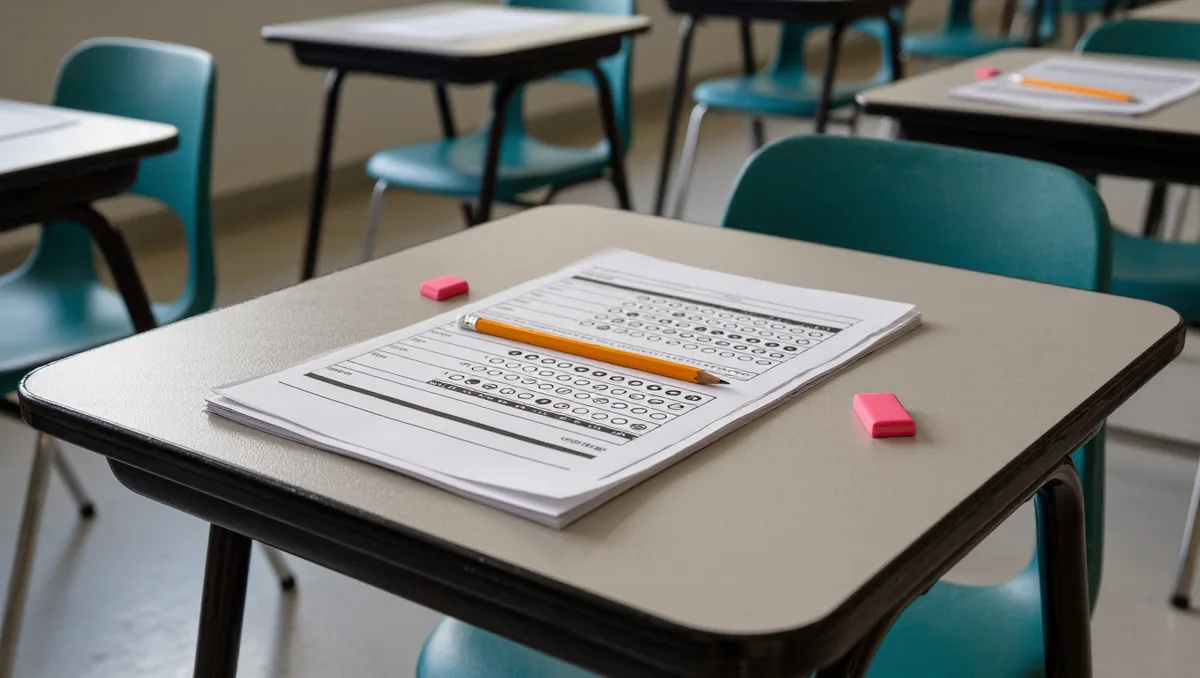
The standardized testing debate is really a question about fairness: same exam for everyone, but is the same exam measuring the same things?

A nine-story lab building is a promise, not a result. Here is what the numbers in such announcements can and cannot tell you.

The Berlin-based network counts tens of millions of researcher accounts. Here is what actually happens on it, and what a careful reader should keep in mind.

Behind most published science sits a grant that someone had to win. Here is how that contest actually works.

A retraction is not a scandal headline. It is the paper trail of science checking its own work.