
Topic
How to write a research paper that people actually read
A clear argument, an honest methods section and a limitations paragraph you are proud of will do more for a paper than any clever phrase.
A clear argument, an honest methods section and a limitations paragraph you are proud of will do more for a paper than any clever phrase.

Decades of research point to one skill at the center of learning to read — and it explains why classrooms keep changing.
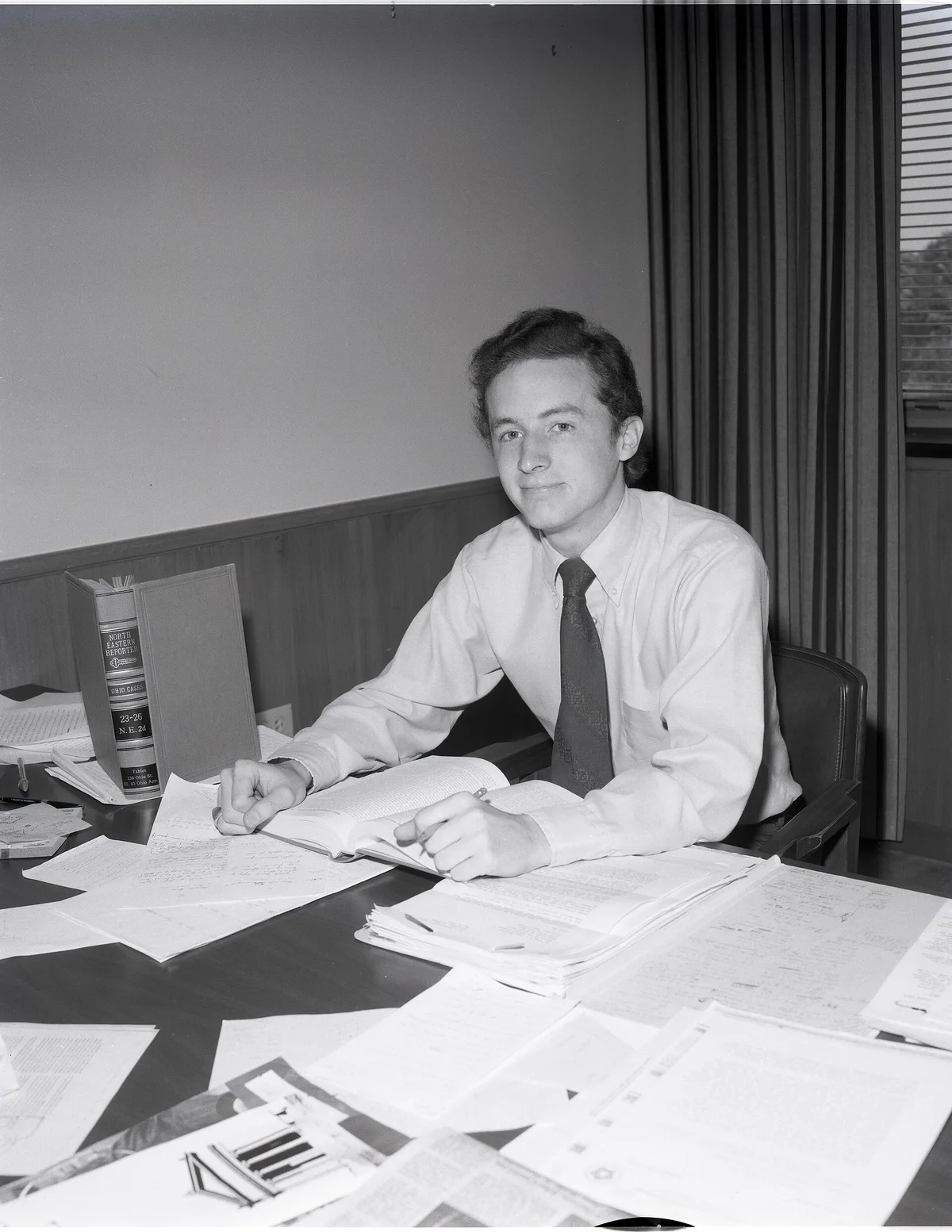
Youth science news is its own journalism. One newsroom has rewritten research for readers as young as nine since 2003, tuning vocabulary and adding teacher aids without weakening the reporting.

Why landmark results sometimes collapse when other scientists repeat them, and what open science is doing about it.

The word shows up in every school brochure. Here is what it actually means, and how to tell a real change from a renamed one.
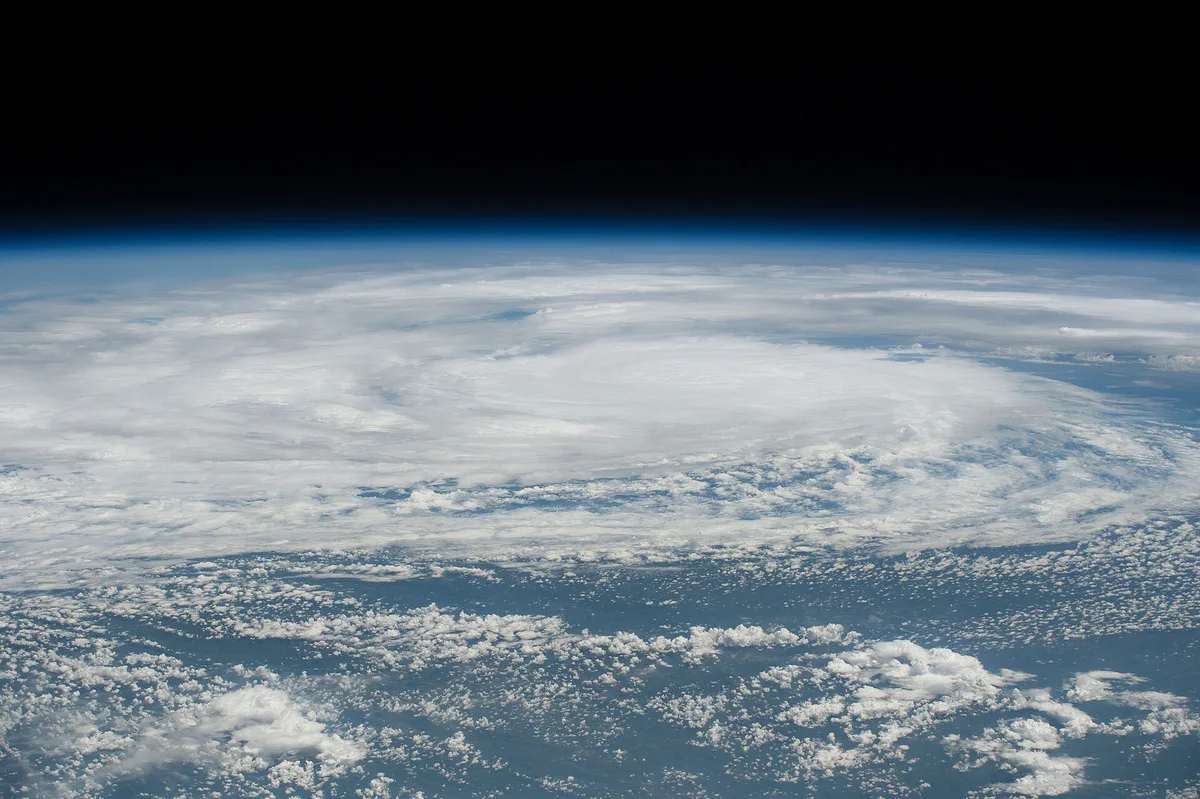
An autonomous shotgun and a blood recirculation machine are both in development at the Air Force Research Laboratory. What the reporting supports — and what it does not.

The Berlin-based network counts tens of millions of researcher accounts. Here is what actually happens on it, and what a careful reader should keep in mind.

A step-by-step walkthrough of abstracts, methods and limitations that turns intimidating journal articles into readable stories.

Behind most published science sits a grant that someone had to win. Here is how that contest actually works.

A retraction is not a scandal headline. It is the paper trail of science checking its own work.