An efficient twenty-minute read of a scientific paper moves through three passes: the abstract for orientation, the figures for the actual result, and the limitations and discussion for the honest boundaries of the claim. Computer scientist S. Keshav described a version of this three-pass approach in a widely shared 2007 guide for graduate students, and it transfers well to any research paper a curious reader encounters.
The goal of a timed read is modest: to leave knowing what was found, in whom, and how much confidence the finding deserves.
Why not just read the paper from the beginning?
Papers are not written in reading order for outsiders. The introduction often spends two pages on the field's history, the methods section assumes statistical vocabulary, and the key result may sit at figure three. Reading linearly rewards the reader with exhaustion before it rewards them with evidence. The three-pass strategy inverts the structure on purpose: it front-loads the parts where papers communicate most densely — abstract, figures, and the authors' own account of what the study could not show. A reader who finishes those three passes usually knows whether the paper deserves a full second reading at all.
What does the first pass actually cover?
The first pass takes about five minutes and covers the abstract, the last paragraph of the introduction, and the first sentence of each remaining section — the topic sentences that carry the argument. Five questions structure it: what was measured, in whom or in what, over how long, compared with what, and what the authors concluded. If the abstract does not answer the first four, that absence is itself information: it may signal a paper written for press coverage rather than for scrutiny. The reader should note the journal and the publication year in this pass, because both set prior expectations about editorial screening.
Why do figures carry most of the evidence?
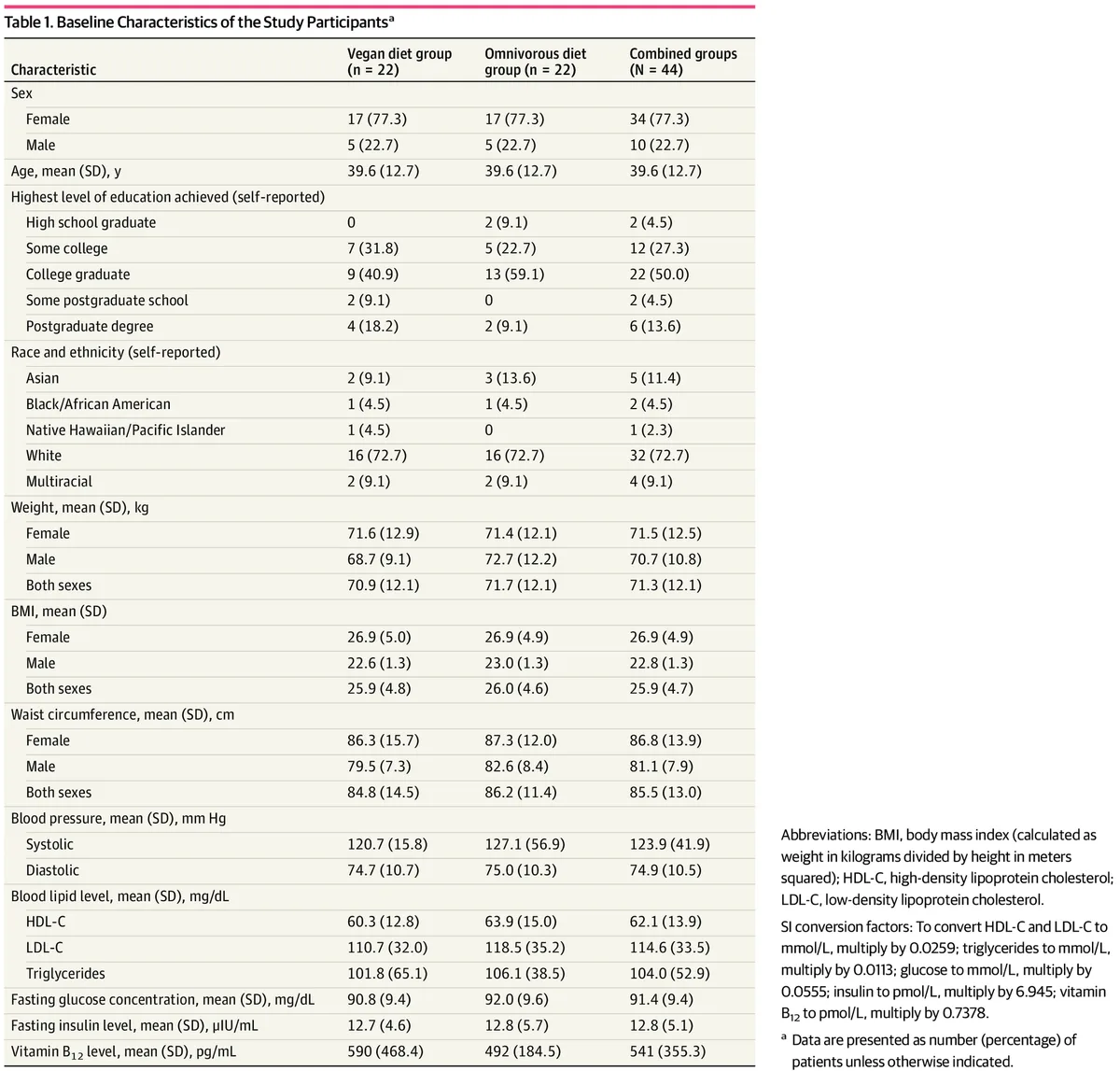
A well-built figure is the compressed argument of the paper, and reading figures is where a twenty-minute budget pays off. Each panel deserves four questions: what is plotted, what is compared, how large is the difference, and how much spread is visible around the averages. Error bars matter more than the headline bar: wide intervals mean the noise could explain part of the pattern. A reader should check whether the vertical axis of a chart starts at zero or at a value chosen to magnify a small difference, a common presentation choice that changes the visual impression without changing the data. If the figures contradict the abstract's confidence, the figures win.
Where do the limitations hide?
The limitations usually hide in plain sight, in a paragraph near the end of the discussion that authors write carefully and readers skip carelessly. This pass takes another five minutes and reads that paragraph word by word, then scans the methods for three items: sample size, study design, and who funded the work. Sample size and design determine what the study could in principle show; funding and declared conflicts of interest shape how results are framed. An honest limitations paragraph states the population studied, the duration, and the alternative explanations the design could not eliminate. Its absence is a warning sign, not a sign of strength.
How do we know this strategy works?
The evidence here is craft knowledge rather than a controlled trial: the three-pass method comes from Keshav's 2007 guide, refined by generations of peer reviewers who must evaluate manuscripts under time pressure. Reviewers, in effect, professionalized the same sequence — orientation, scrutiny of evidence, scrutiny of weaknesses — because it surfaces the decisive questions first. No controlled study compares reading strategies, and none is likely to run; the recommendation rests on the structure of papers themselves, which concentrate claims in the abstract and evidence in figures. That is a limitation worth stating plainly.
What separates a twenty-minute read from a full read?
The full read verifies; the fast read orients. A complete evaluation walks the methods line by line, checks the statistics against the reported numbers, and asks whether the conclusions follow from the data. The twenty-minute version instead asks whether the paper's own summary survives contact with its figures and limitations. The table below maps the three passes to time and purpose.
| Pass | Time | What it answers |
|---|---|---|
| Abstract and topic sentences | About 5 minutes | What, in whom, compared with what |
| Figures and tables | About 8 minutes | How large the effect is, with what spread |
| Limitations, funding, discussion | About 5 minutes | What the study could not show |
Does the strategy change for preprints and conference abstracts?
It tightens rather than changes. A preprint, posted before journal review, carries the same structure and the same abstract-figures-limitations sequence, but none of the editorial screening; the fast reader compensates by treating every conclusion as provisional and checking whether the authors flag their work as unreviewed. Conference abstracts compress further still — often a page, sometimes without methods — so they answer only the orientation question, never the confidence question. In both cases the three-pass method still works, and the hedge that a timed read teaches becomes the main deliverable.
Which warning signs should end a read early?
Some papers reveal their weakness quickly, and a disciplined reader abandons them without guilt.
- The abstract makes a causal claim about a study design that measured associations only.
- The sample is tiny, preliminary, or described as an animal study while the abstract implies human relevance.
- The limitations paragraph is missing, or the funding source is undisclosed.
- The key result appears in no figure anywhere in the paper.
None of these signs individually proves a paper wrong. Together they answer the practical question a timed read exists to settle: whether the paper has earned the thirty minutes a full reading would cost.